

“Lord of the Flies” is a powerful work written by William Golding, first published in 1954. The book narrates the story of a group of boys who are stranded on a deserted island after a plane crash and face the battle between their civilized and primal natures. The narrative is a profound reflection on the human condition and the fragility of civilization. Golding, who was awarded the Nobel Prize in Literature in 1983, uses this isolated setting to explore themes of power, violence, and the internal struggle between good and evil.
From the very beginning of the plot, a plane carrying children crashes on a Pacific island. Without the presence of adults, the boys try to organize their survival. Ralph, one of the protagonists, becomes the spontaneous leader, and together with Piggy, a smart but insecure boy, they try to establish rules and maintain a social structure. However, this order quickly begins to crumble as other factions form and greed for power and brutality emerge.
Through the conflicts between the characters and the transformation of the boys throughout the story, Golding offers a powerful analysis of human nature, raising questions about the morality and primal instincts that reside in every human being. “Lord of the Flies” has become an essential reading in schools and continues to be a topic of discussion regarding social psychology and group dynamics.
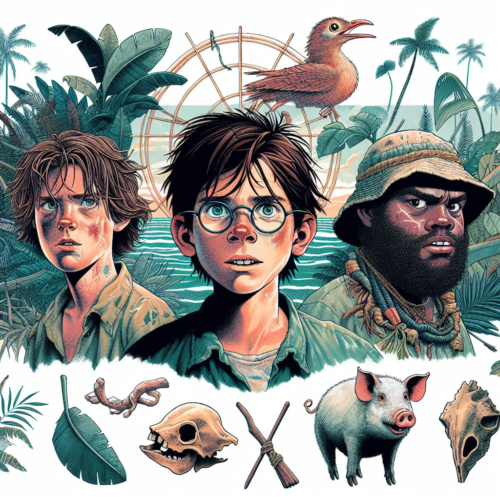
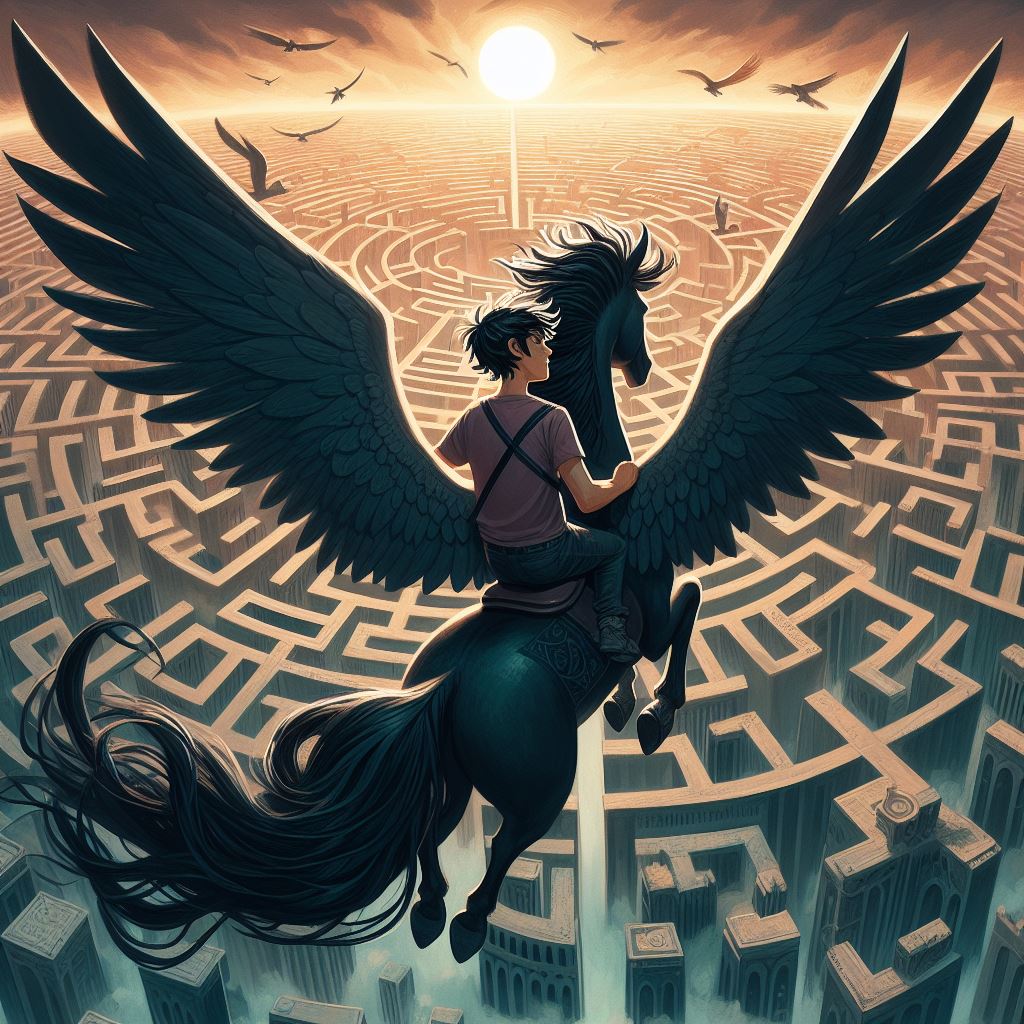
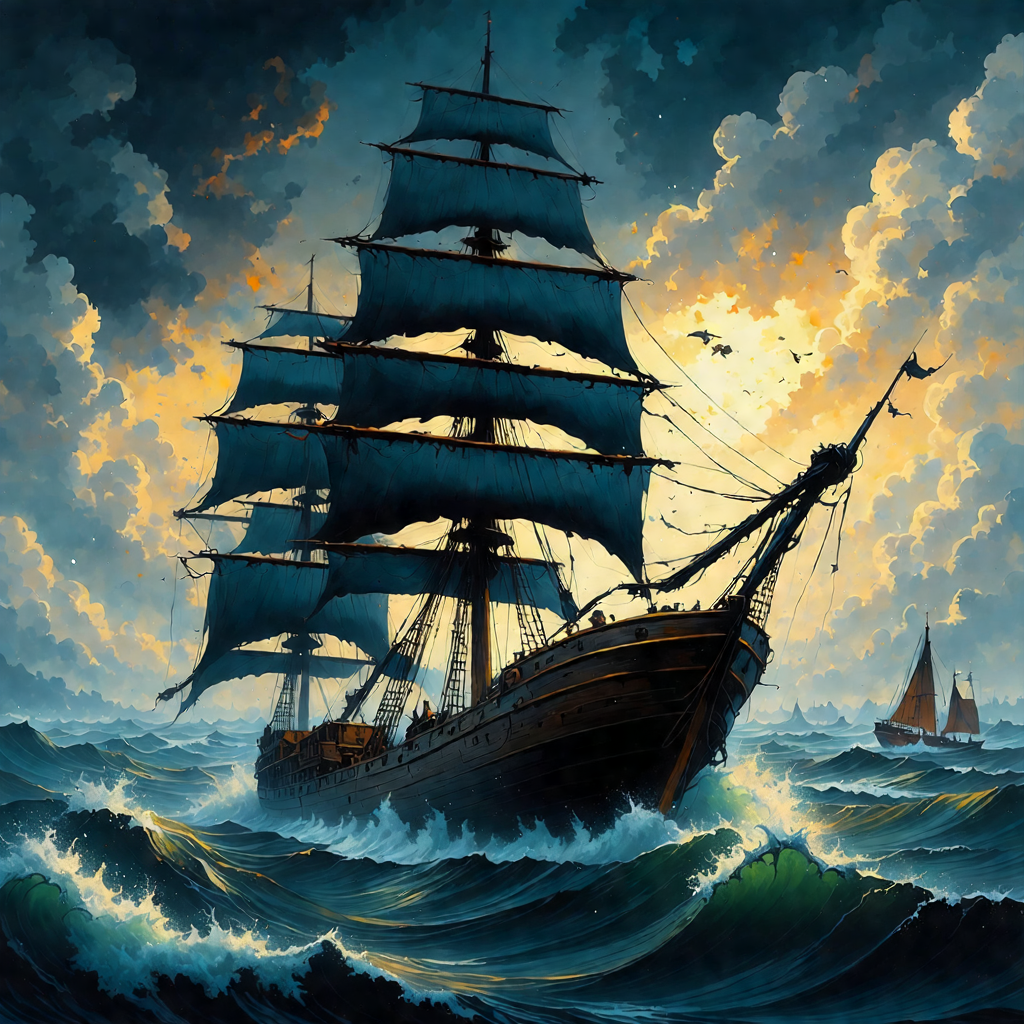
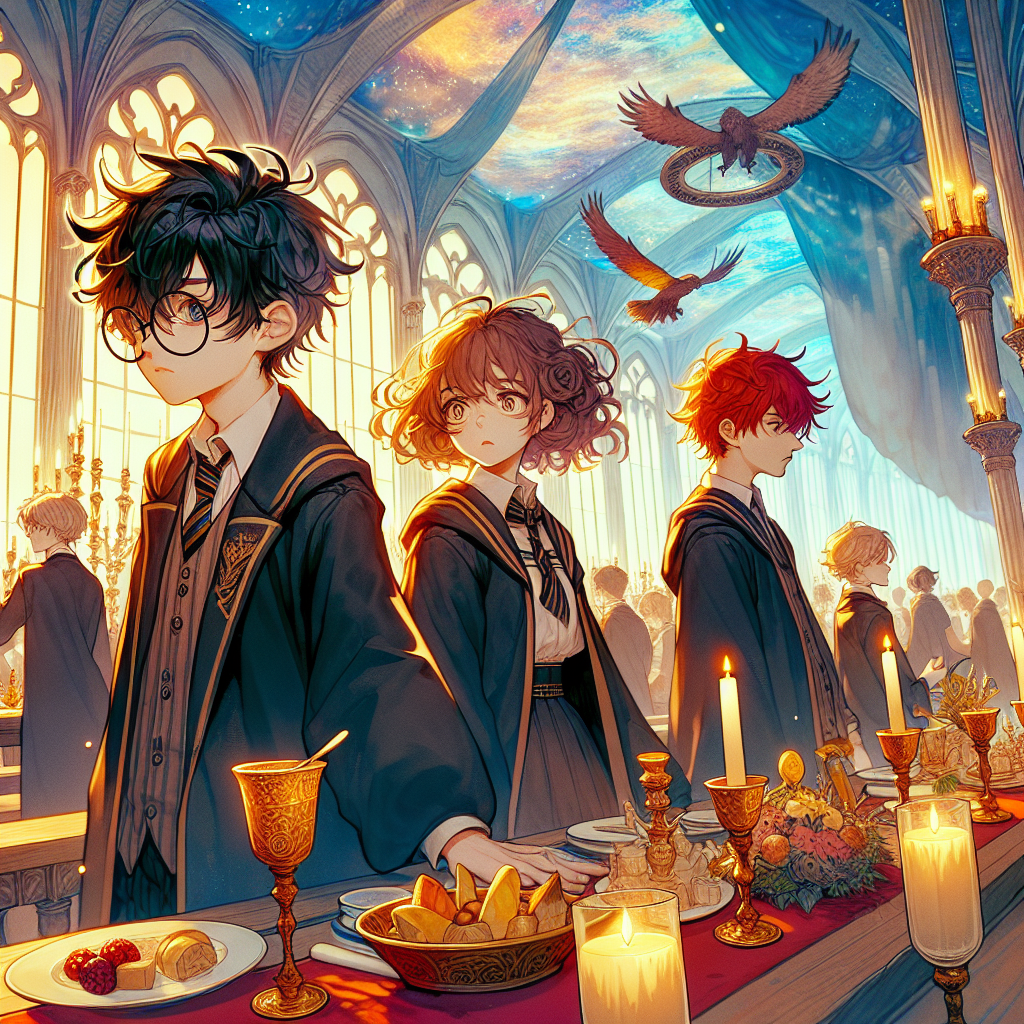
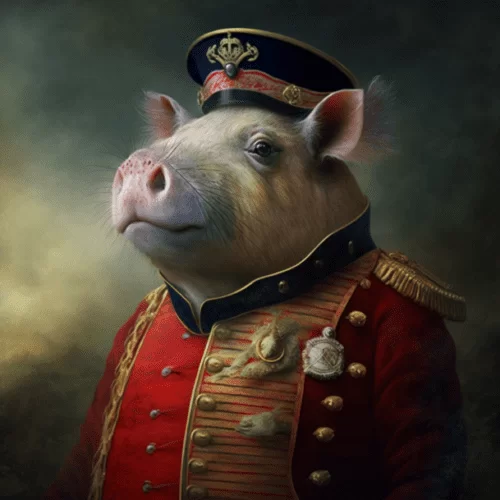
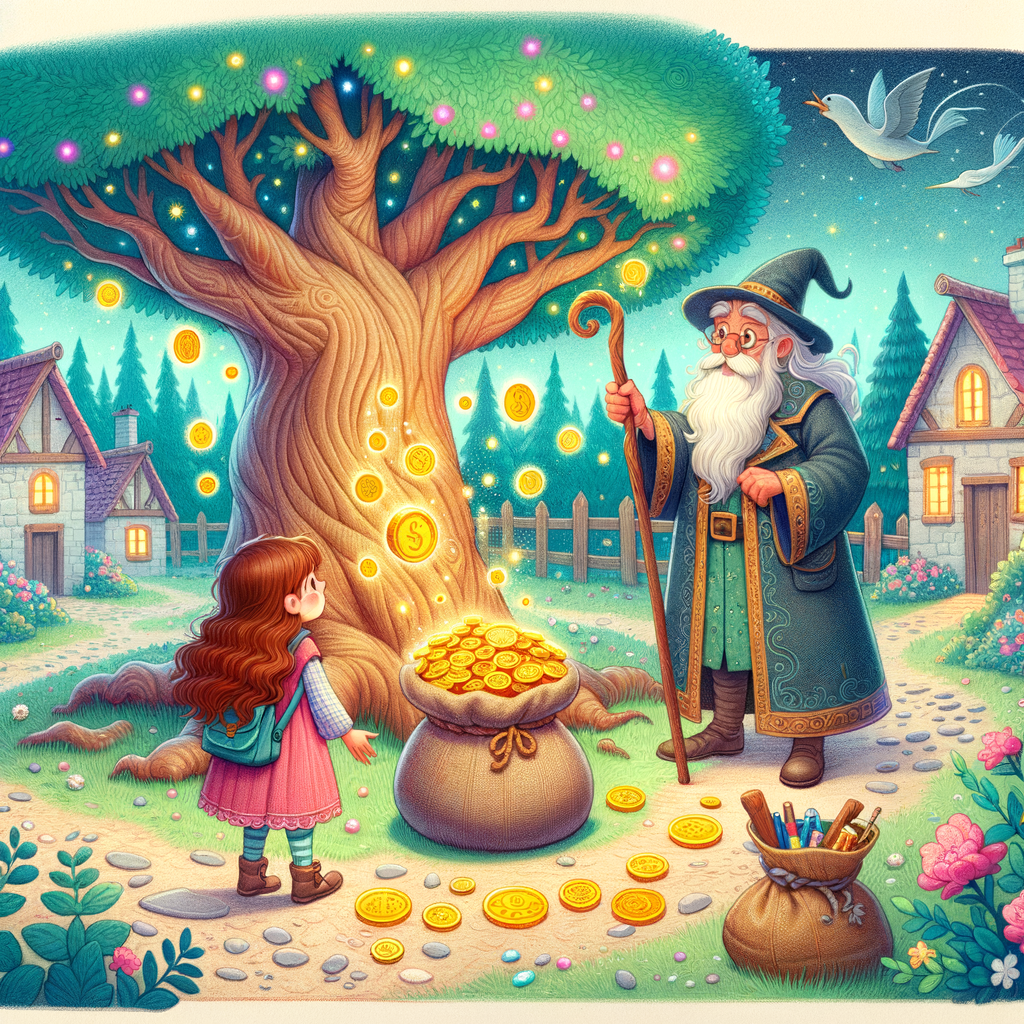
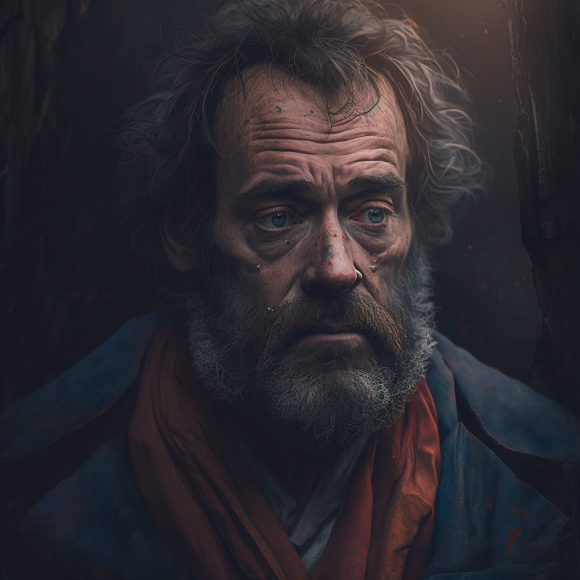
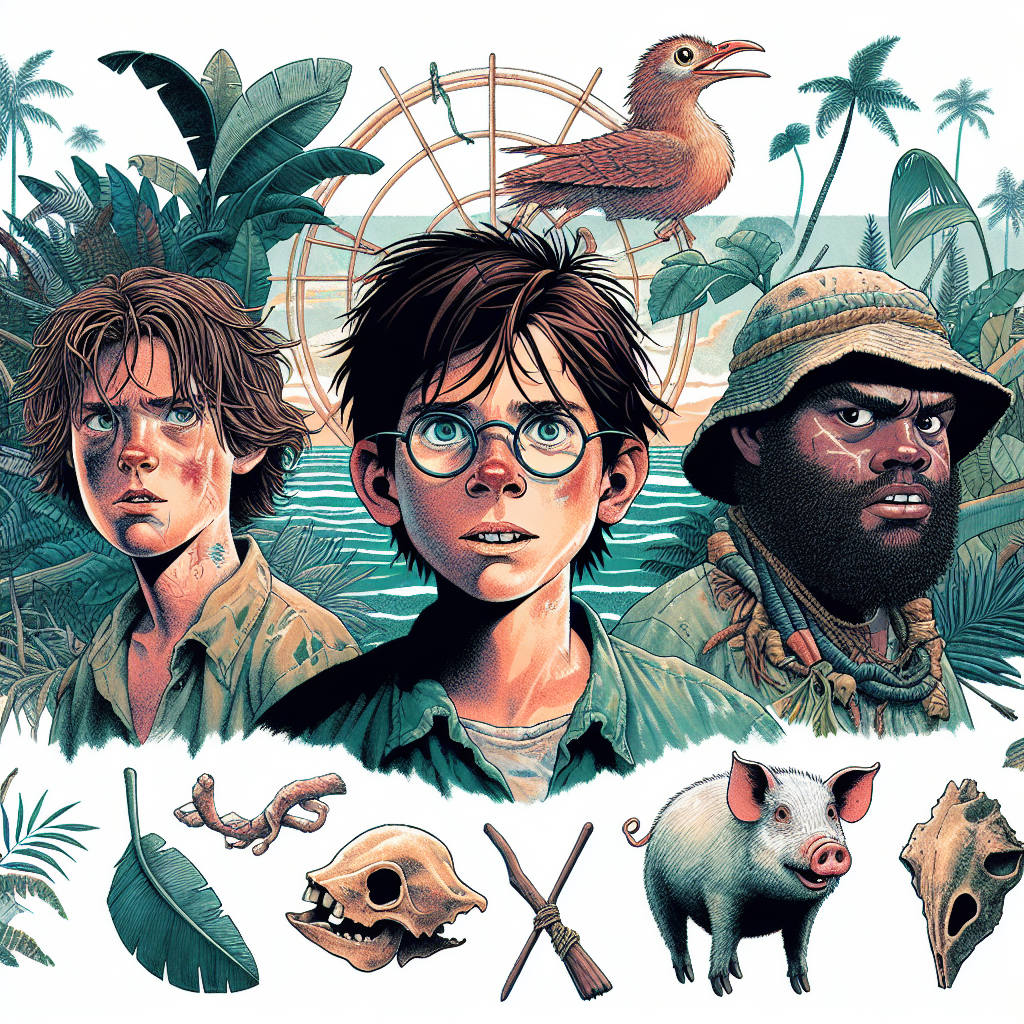
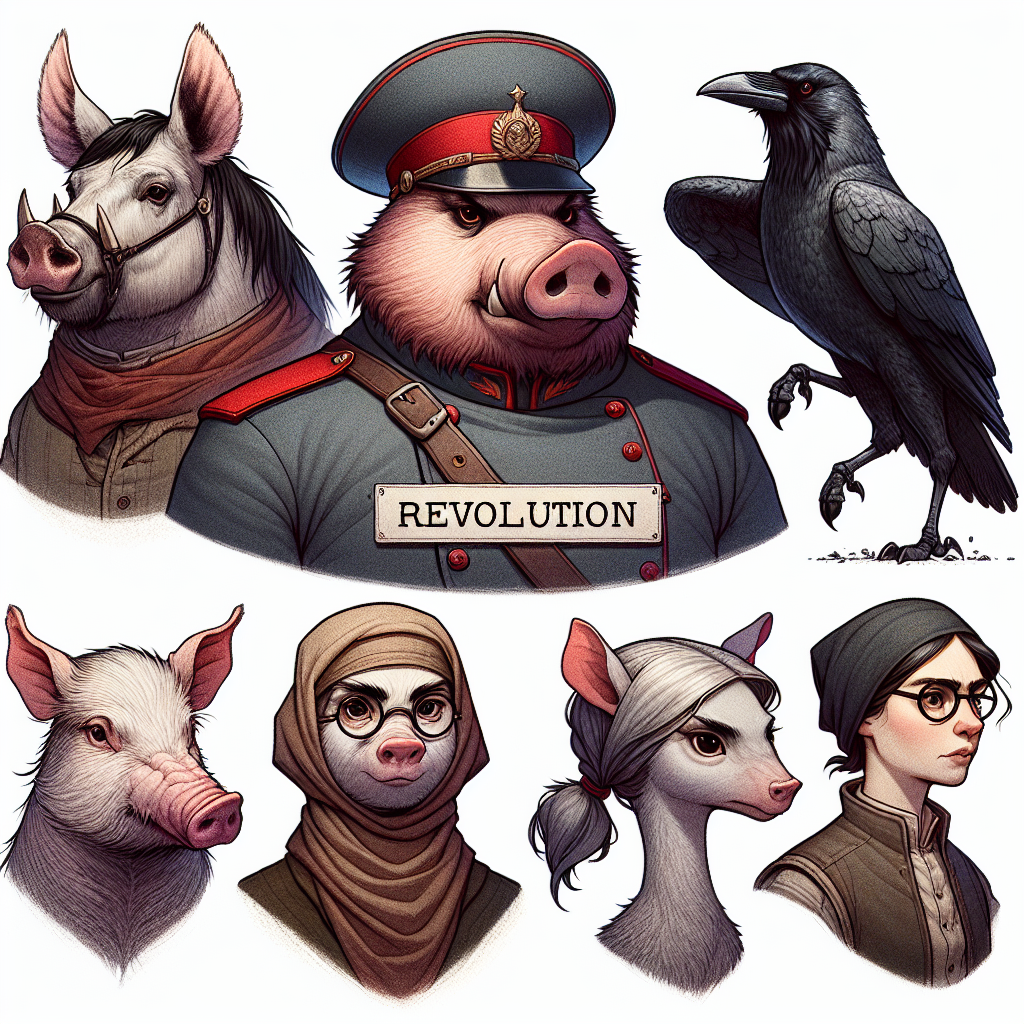
Ilustracao de Senhor das moscas
Upon arriving on the island, the boys quickly try to organize themselves. Ralph and Piggy make initial contact and decide to use a conch shell to summon the other boys. During one of the meetings, Ralph is elected as the leader, aiming to build a civil and safe society. The importance of fire as a rescue signal is highlighted, creating a common goal among the boys. However, the division of priorities begins to emerge, especially with Jack, who desires to hunt.
As the boys adapt to life on the island, Jack organizes a hunting expedition. The interaction between the boys begins to reflect social tensions, as the need for leadership and power becomes central. Ralph struggles to maintain order and civilization, but the brute force and the seduction of the freedom offered by the wild life increasingly attracts the boys. The first major conflict arises between Ralph and Jack, symbolizing the struggle between reason and brutality.
The atmosphere on the island intensifies as Jack challenges Ralph’s authority. The hunt becomes a unifying experience for Jack’s group, which is increasingly drawn to ferocity and brutality. Simon, with his insight into the true nature of “The Lord of the Flies”, represents a voice of warning, but his message is ignored. Chaos begins to take over, and the leadership structure breaks down completely.
The story culminates in tragedy when Simon is killed by the boys, who, in a frenzy of violence and panic, mistake him for a creature. Ralph and Piggy try to deal with the consequences, but the power dynamic is irreversibly altered. Jack takes full control, and civilization seems to have disappeared. The group becomes primitive and increasingly violent, culminating in the murder of Piggy and the hunt for Ralph, who represents the last resistance to the bestial instincts.
The story reaches its climax when the island is set on fire in the search for Ralph. In an ironic twist, a naval officer arrives on the island, drawn by the smoke. Upon seeing Ralph, the officer is confronted with the reality of the loss of childhood and the breakdown of civilization. In this moment of rescue, the pain of what has happened is clear, and the boys are forced to confront the terrible transformation they have experienced.
“Lord of the Flies” is a powerful and impactful analysis of human nature and the fragility of civilization. As the boys become prisoners of their primal instincts, the novelist portrays a tragic and disturbing conclusion that illustrates the inevitability of moral decay when the social and civil structure is broken. Golding suggests that, under certain circumstances, anyone can become an agent of brutality, revealing the dark side of human nature.
“Lord of the Flies” is an essential read for those interested in psychological, sociological, and philosophical themes. The novel is particularly appealing to young adults, educators, and readers exploring the complexities of the human condition. Fans of dystopian literature and studies on human nature will find this work a fertile ground for discussions on morality, power, and the struggle between civilization and barbarism. Due to its reflections on leadership, violence, and community, the book is also relevant for contemporary readers seeking to understand society.
“Lord of the Flies” was first published on September 17, 1954 by Faber & Faber. The initial work went largely unrecognized, but over the years it has transformed into a canonical literary work, being widely studied and analyzed. Throughout the years, the book has been adapted for the theater and cinema, cementing its place as one of the most influential stories of the 20th century.

"Oi, sou a Minerva! , uma leitora ávida e escritora dedicada. Com 25 anos, meu amor por livros me inspirou a criar este blog, onde compartilho resumos e resenhas sobre minhas leituras favoritas. Aqui você encontrará recomendações de livros, reflexões sobre temas importantes e minhas impressões sobre os personagens e enredos que mais me emocionaram. Se você é um amante de livros em busca de novas histórias para se envolver, junte-se a mim nesta jornada literária."
Fique por dentro dos principais insights dos livros mais populares. Inscreva-se na nossa newsletter com seu nome e email e enriqueça seu conhecimento!

Confira os resumos mais acessados!