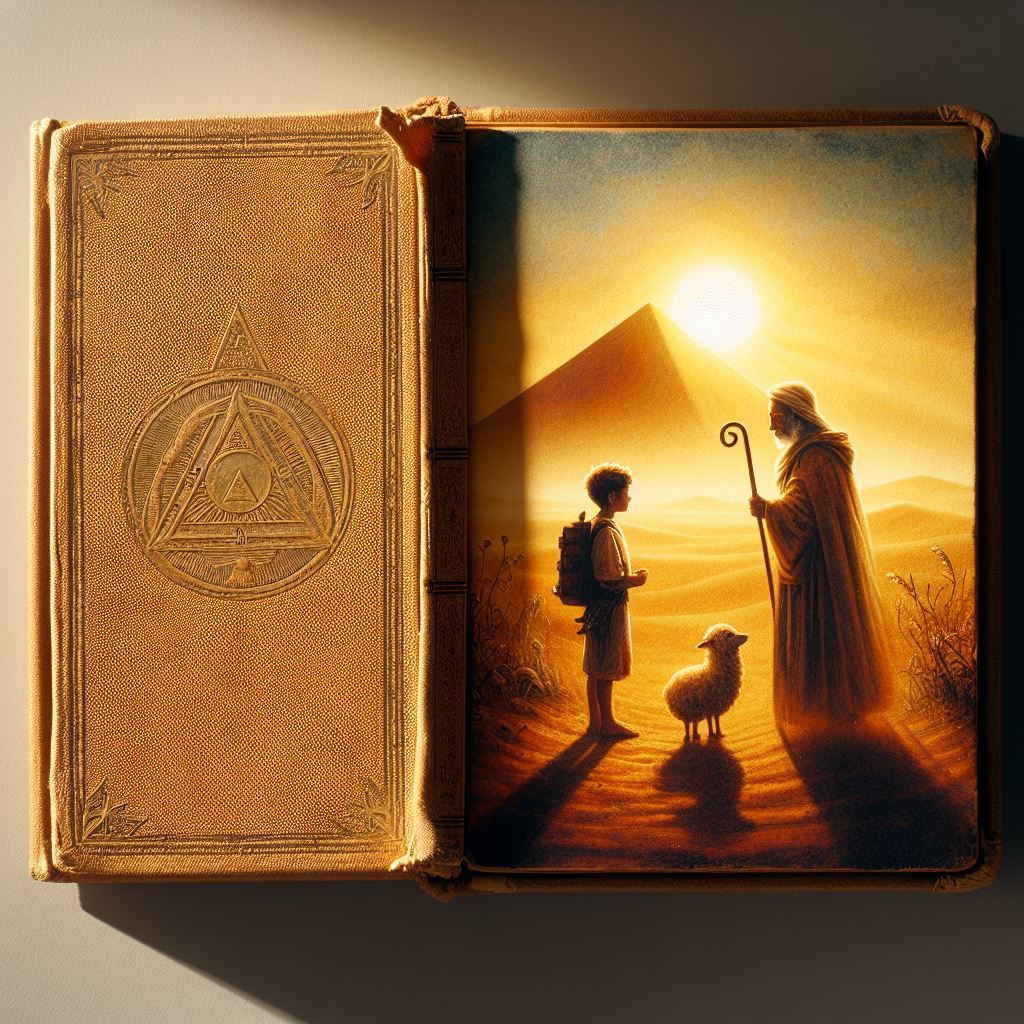




The book “Dom Casmurro” is one of the most important works of Brazilian and world literature, written by Machado de Assis and published in 1899. The history of the book is as fascinating as the plot itself, as its reception and interpretation have changed significantly over the years.
The story begins with the publication of the book in 1899, when Machado de Assis was already a recognized writer in Brazil. The work was well received by literary critics at the time, but it also generated controversies and questions about the interpretation of the plot.
The book is narrated in the first person by the character Bento Santiago, who remembers his life and his unrequited love for his childhood friend, Capitu. The story is marked by betrayals, jealousy and doubts about the paternity of Bento and Capitu’s son, who is named Ezequiel.
Over the years, the book has gained different interpretations, the most famous being that Capitu betrayed Bento and that Ezequiel was not the protagonist’s biological child. This interpretation became popular after the release of the book “Dom Casmurro and the Seditious Discourses”, by Helen Caldwell, in 1948.
Caldwell argued that Bento’s narrative was influenced by his paranoia and jealousy, which led the protagonist to create a story about Capitu’s betrayal and the doubt about Ezequiel’s paternity. This reading has become so influential that it is now difficult to discuss “Dom Casmurro” without mentioning the possibility that Capitu’s betrayal is an invention of Bento.
However, other literary critics and readers do not agree with this interpretation and argue that Capitu really betrayed Bento and that Ezequiel is not his biological son. This divergence of interpretations has become one of the most fascinating aspects of the book’s history, as it continues to generate intense debates and discussions to this day.
In addition, the book is also important for its literary style, which is marked by irony, ambiguity and the questioning of the social and moral conventions of the time. Machado de Assis, who is considered one of the greatest Brazilian writers of all time, influenced Brazilian and world literature with his work, which continues to be read and discussed today.
In summary, the history of the book “Dom Casmurro” is marked by its controversial reception and the different interpretations it has generated over the years. Its literary and cultural importance is undeniable, and the book continues to be read and studied as one of the most important works of Brazilian and world literature.
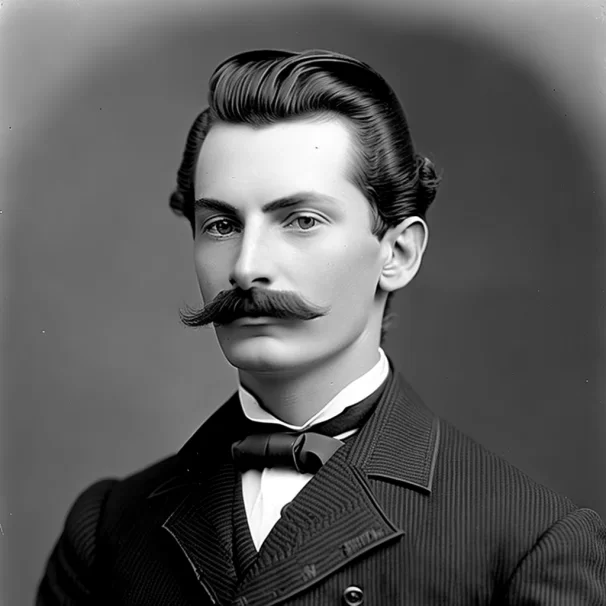
Book Summary – Dom Casmurro
The main characters in “Dom Casmurro”, by Machado de Assis, are:
“Dom Casmurro”, by Machado de Assis, is a masterpiece of Brazilian and world literature, which masterfully portrays the complexity of human relationships and the ambiguities of life.
Through the story of Bento Santiago and his obsession with Capitu’s betrayal, Machado de Assis constructs a narrative rich in symbolism, irony and social criticism. The book presents complex and intriguing characters, who represent different layers of Brazilian society in the late 19th century.
In addition, the narrative technique used by the author is one of the main hallmarks of the work, with a sophisticated language and a style that blends realism and symbolism in a unique way. The open-ended conclusion of the story, which leaves the doubt about Capitu’s betrayal and Ezequiel’s paternity unresolved, is one of the most controversial and discussed elements of the work.
In summary, “Dom Casmurro” is an essential read for anyone who wishes to understand Brazilian literature and the complexity of the human condition. The work is a timeless classic that continues to fascinate readers around the world, and will certainly be read and re-read by many generations.
“Dom Casmurro” was first published in 1899, by the Francisco Alves publishing house in Rio de Janeiro. The work was written by Machado de Assis, one of the most important Brazilian writers of all time and a leading figure of Realism in the country.

"Oi, sou a Minerva! , uma leitora ávida e escritora dedicada. Com 25 anos, meu amor por livros me inspirou a criar este blog, onde compartilho resumos e resenhas sobre minhas leituras favoritas. Aqui você encontrará recomendações de livros, reflexões sobre temas importantes e minhas impressões sobre os personagens e enredos que mais me emocionaram. Se você é um amante de livros em busca de novas histórias para se envolver, junte-se a mim nesta jornada literária."
Fique por dentro dos principais insights dos livros mais populares. Inscreva-se na nossa newsletter com seu nome e email e enriqueça seu conhecimento!



Confira os resumos mais acessados!