“Journey to the Center of the Earth” is a famous science fiction novel written by the French author Jules Verne, originally published in 1864. The work is distinguished by its innovative combination of adventure, science, and imagination, taking readers on an extraordinary journey through the interior of the Earth. The plot revolves around the adventures of Professor Otto Lidenbrock, a geologist obsessed with the idea of exploring the depths of the planet in search of knowledge. The story is set in various locations, from the cold of Germany to the exotic and mysterious underground world, where incredible flora and fauna, as well as surprising challenges, await the protagonists. The cultural relevance of “Journey to the Center of the Earth” is immeasurable, as it not only popularized science fiction literature, but also inspired countless adaptations in cinema, theater, and other art forms.

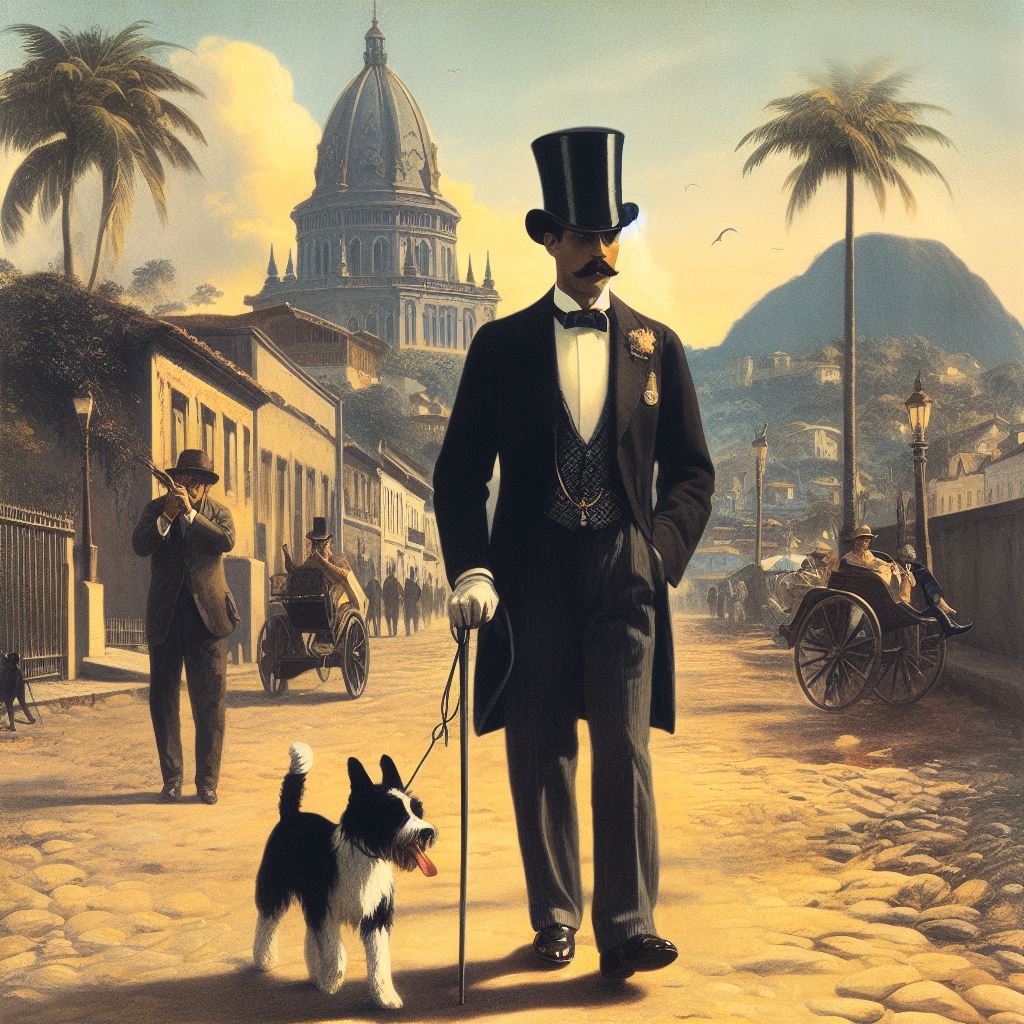
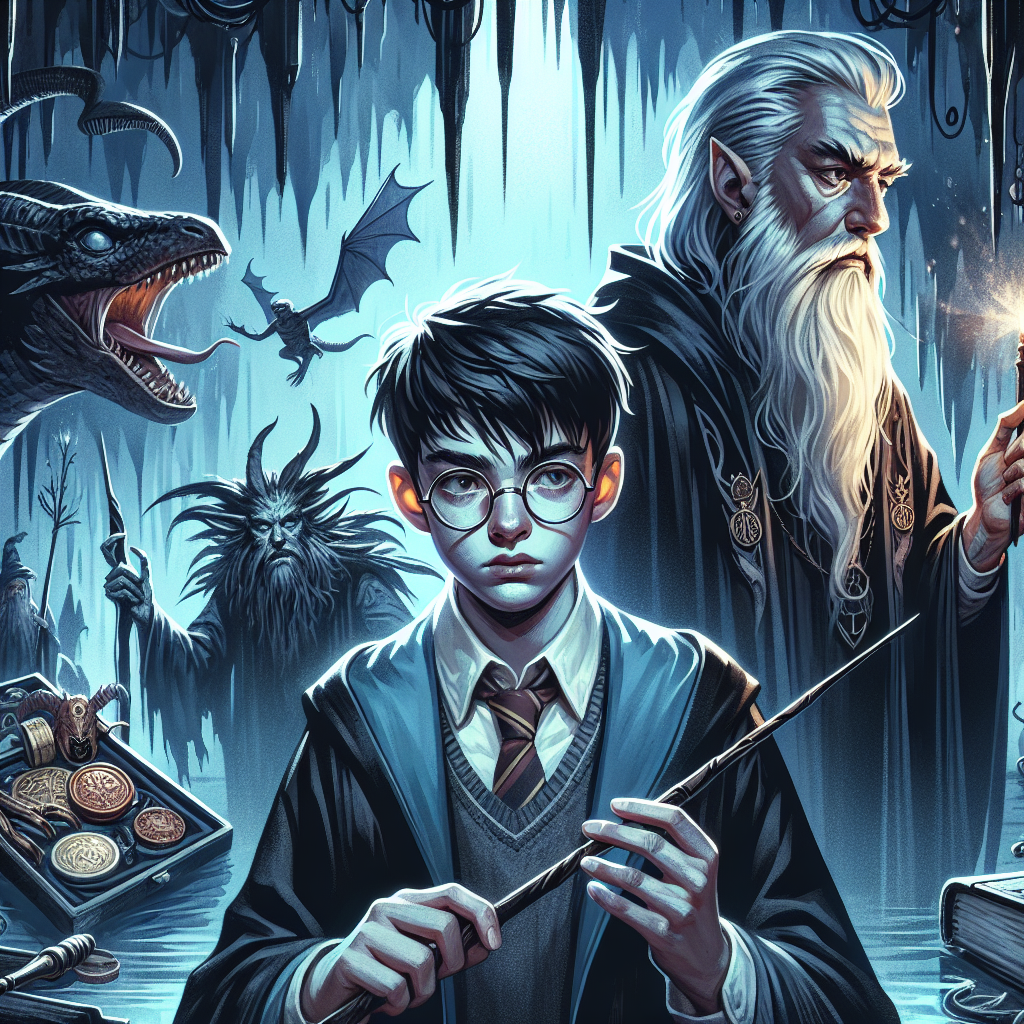
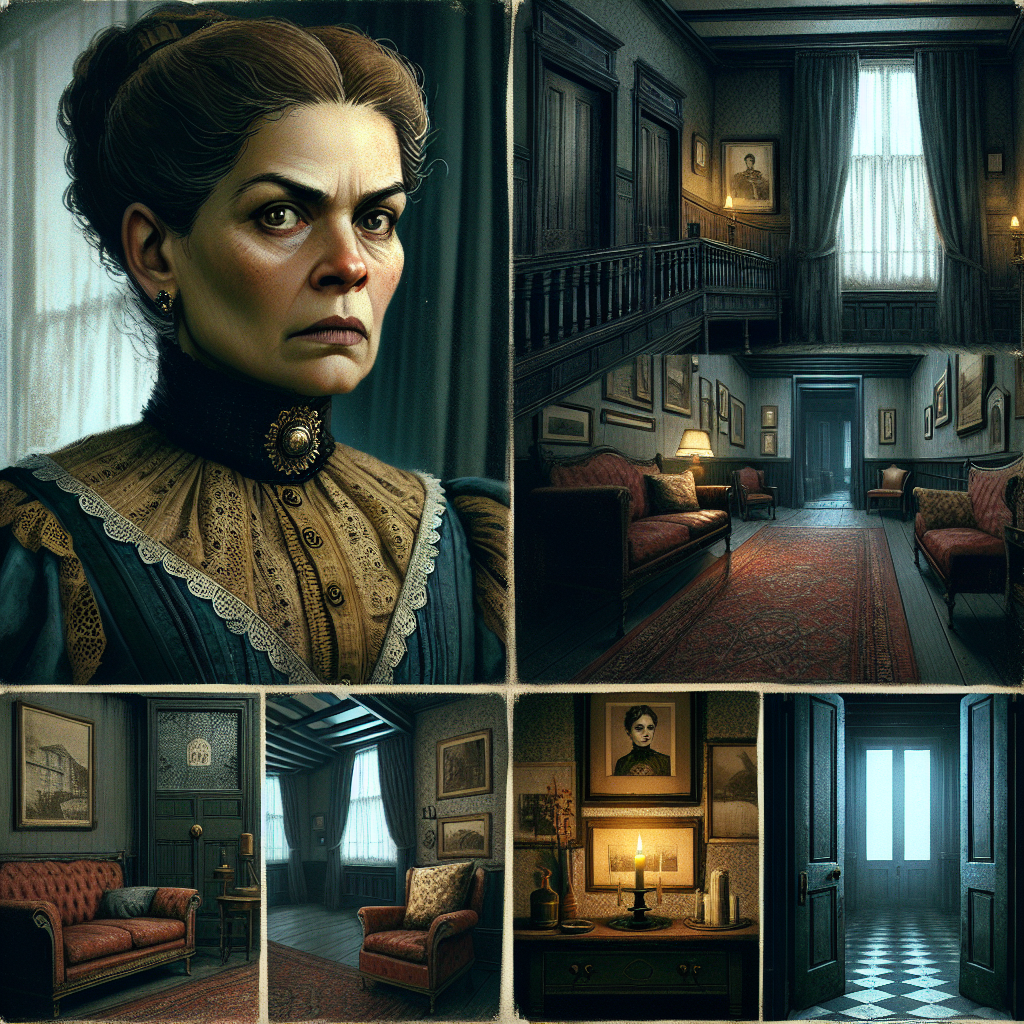
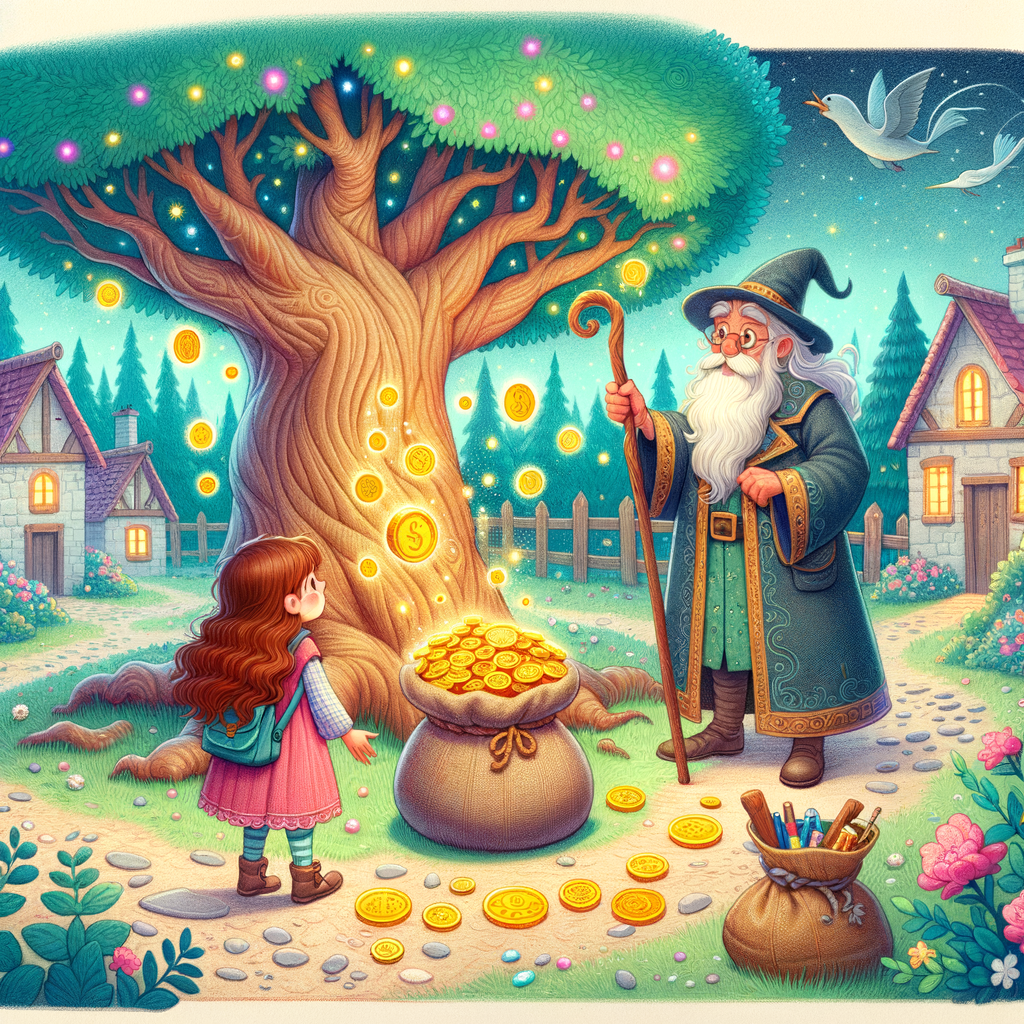
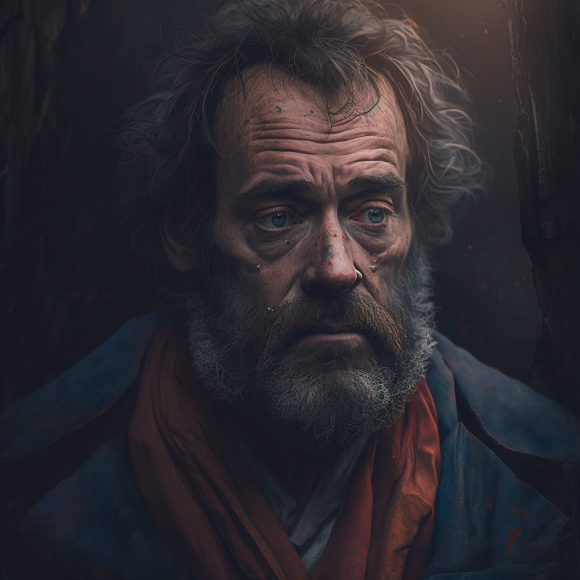
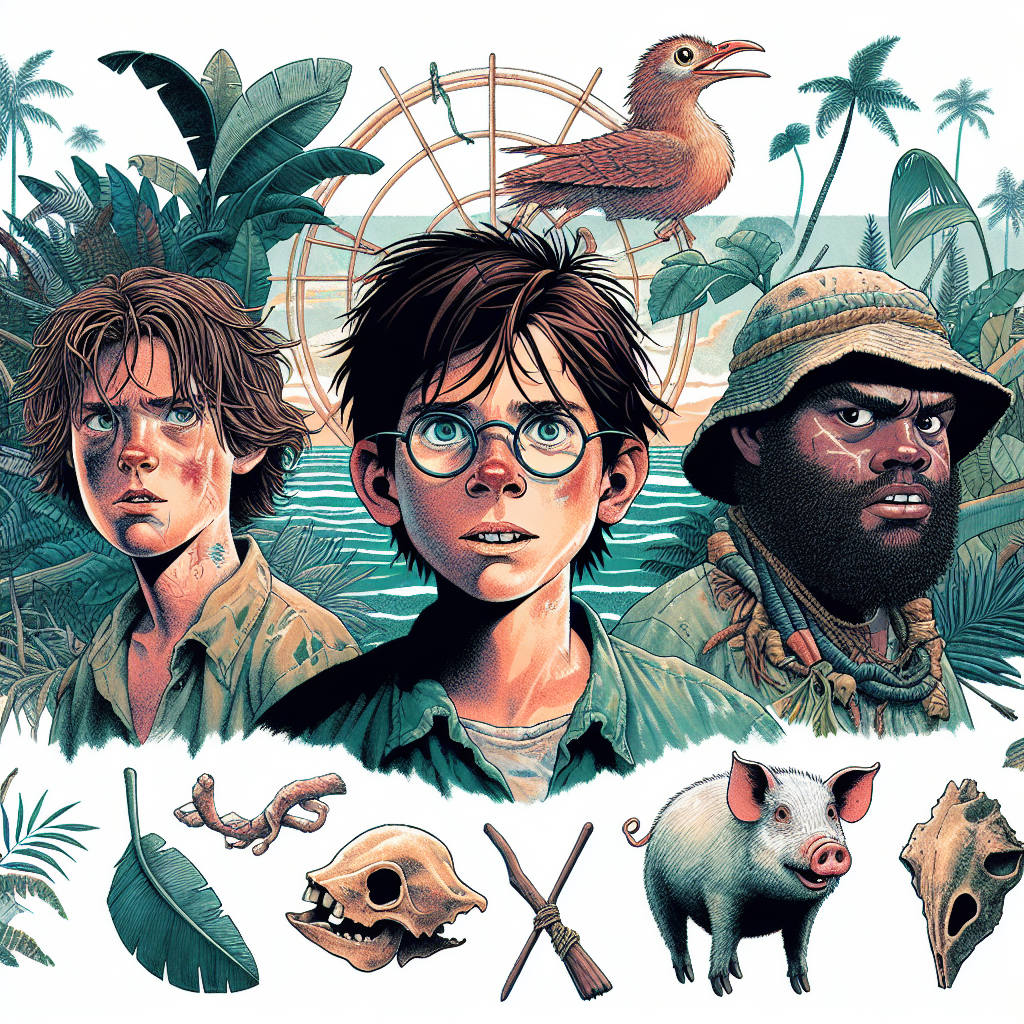
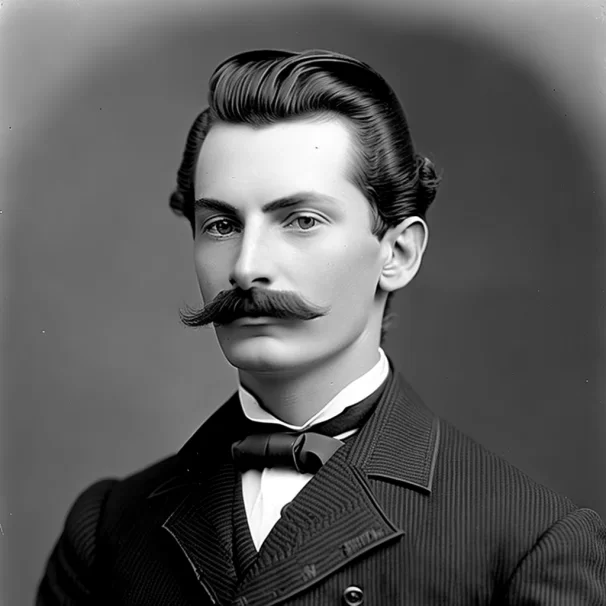
Ilustracao dos personagens de Viagem ao Centro da Terra
Well-Known Characters
Primary Characters
- Professor Otto Lidenbrock: Professor Otto Lidenbrock is the central protagonist of the story, an eccentric scientist and a passionate geologist. His uncontrollable curiosity and determination to unravel the mysteries of the Earth trigger the adventure. He is described as a man of strong personality, stubborn, and even impulsive, but his intelligence and scientific knowledge are undeniable. Lidenbrock is considered one of the greatest geologists of his time, and his role is vital in the progression of the plot.
- Axel (or Henry): Axel, Professor Lidenbrock’s nephew, is the voice of reason during the journey. He is reluctant to embark on this mission, fearing the dangers that come with the expedition. His personality is marked by a balance between fear and courage, and he ends up being an important assistant to his uncle. Through his eyes, the reader experiences the emotions and anxieties of the adventure, becoming a human link amidst the wonder of the discoveries.
- Hans Belker: Hans is the Icelandic guide who accompanies Lidenbrock and Axel on their expedition to the center of the Earth. He is a quiet, calm, and confident character, possessing exceptional survival skills. His strength and knowledge of the local geography are crucial for the group’s survival during the journey, and his presence brings a sense of security and stability that balances Lidenbrock’s impulsiveness and Axel’s insecurity.
Secondary Characters
- Marta: Marta is Axel’s fiancée, representing the emotional link that connects Axel to the outside world. Her presence is important, as she serves as motivation for Axel to return safely. Although her participation in the plot is limited, she symbolizes the concerns and bonds that the characters leave behind in their quest for knowledge.
- The Mineralogy Professor: This character provides important information about the mineral that Lidenbrock discovers and helps to instigate the professor’s curiosity. His appearance emphasizes the scientific aspect of the narrative.
Occasional Characters
- The Monk: A monk appears at a key moment, offering his clues about the location of the journey in an ancient document. His wisdom is a starting point for the expedition.
- Prehistoric Creatures: During the journey, Lidenbrock, Axel, and Hans encounter various creatures, which can be considered occasional characters that present danger and fascination along the way, bringing an element of unpredictability to the narrative.
List of Books Where the Characters Appear
- Journey to the Center of the Earth, by: Jules Verne. (1864)
This is the main book where all the mentioned characters appear. The story follows the journey of Professor Lidenbrock, his nephew Axel, and the guide Hans as they make their discoveries within the Earth’s interior. The narrative is filled with scientific and imaginative details, establishing a landmark in science fiction literature.
“Journey to the Center of the Earth” continues to resonate with generations of readers, inspiring a lasting fascination with science, adventure, and the pursuit of knowledge, while the characters, with their distinct personalities, remain etched in the cultural memory as icons of exploration and human curiosity.